Peptide High Quality: Importance Of Third-party Validation
Peptide High Quality: Relevance Of Third-party Recognition
Selecting the best outside research laboratory for peptide testing includes evaluating several aspects. A trusted laboratory must have demonstrable experience in peptide chemistry evaluation-- as an example, PhD-level drug stores or biochemists on team that comprehend peptides' synthesis and degradation paths. Accreditation by appropriate bodies (such as ISO/IEC or certification for GLP/GMP compliance) is a solid indicator of top quality.The companion page on why 99 percent purity matters clarifies why little pollutant portions can still matter in sensitive in-vitro assays. Together with this peptide testing overview, those pages develop the trust-methodology layer behind the product directory. Peptide testing is effective, yet scientists ought to read the scope of each technique carefully.
A certified lab follows rigorous guidelines for test accuracy and method recognition. You can frequently inspect if a laboratory is approved via its website or paperwork; accreditation ensures the laboratory's procedures and results are held to international requirements. With high degrees of experience in carbohydrate chemistry and our detailed peptide analysis platform, Imaginative Peptides can offer top quality peptide purity decision solutions. According to strict evaluation quality control and biosynthetic quality assurance standards, each peptide is strictly checked during the analysis cycle.Why Should Scientists Require Third-party Validation?
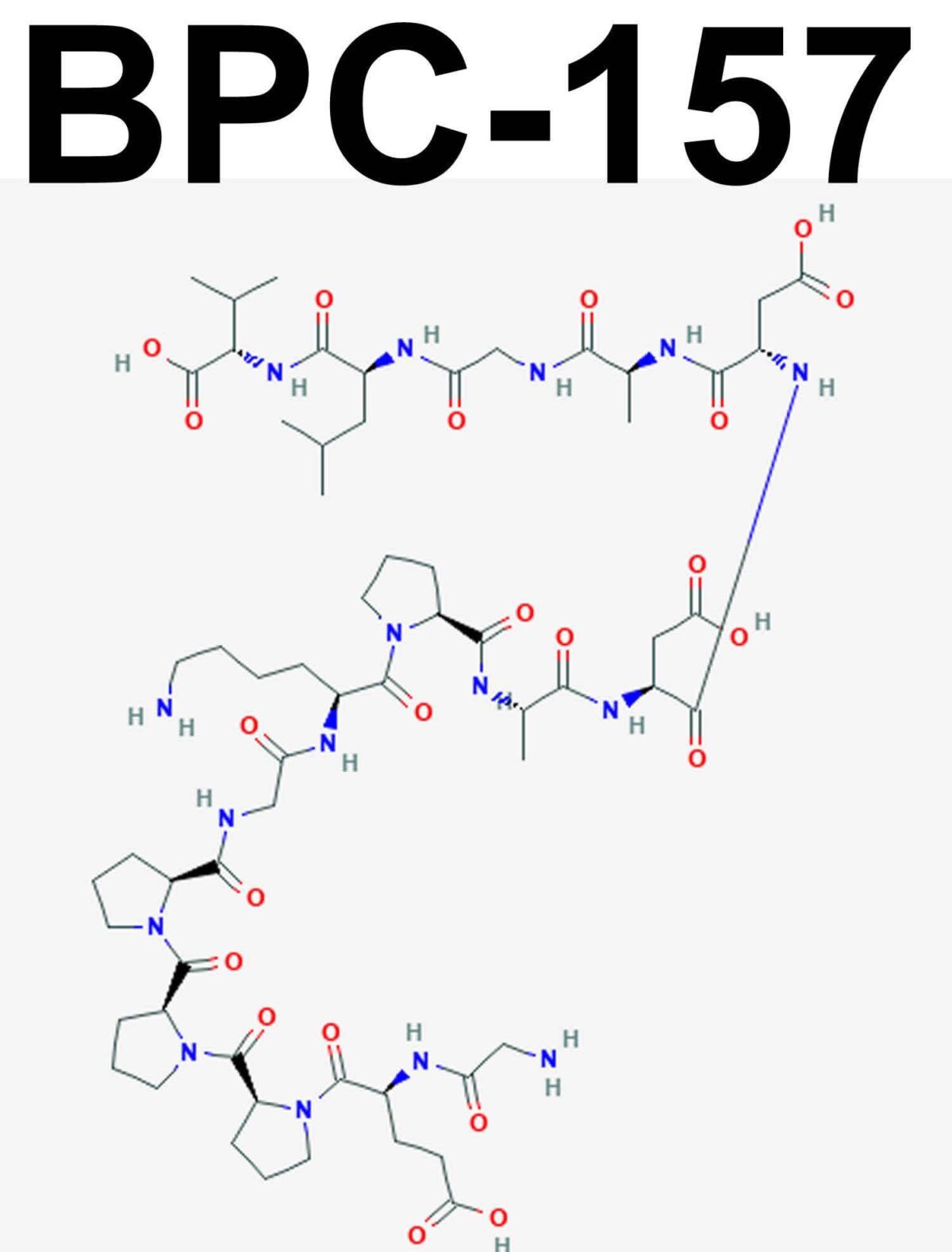
HPLC can sustain claims regarding chromatographic purity, impurity height worry, and deterioration fads when the approach is suitable and the chromatogram is offered. If a peptide is re-tested after storage stress and anxiety, HPLC can reveal whether new contamination tops have actually appeared or whether the primary height location has actually decreased. This connects straight with taking care of subjects such as peptide storage space and peptide reconstitution. For instances of product-level context, contrast the anticipated masses for Retatrutide, BPC-157, and Semaglutide.- Peptides are widely used in the medical looks, cosmetics, and biomedical fields due to their special biological activity and broad application potential.
- Another relevant term you may come across is web peptide content, which is various from pureness.
- A solitary generic chromatographic technique is typically inadequate for peptides that are hydrophobic, highly basic, very closely relevant in turn, or partially cleansed.
- When a peptide is 98% pure, that staying 2% isn't random sound-- it specifies, identifiable kinds of results.
HPLC can reveal the existence of extra optimals; LC-MS can help designate most likely identities to those associated varieties. Oxidation adjustments molecular homes and can move retention actions, developing distinctive chromatographic tops or associated mass changes. Together, these tools provide a clear and in-depth image of peptide composition, ensuring researchers can trust their information. Kai is the lab's AI research study aide-- powered by Claude (Anthropic) and GPT (OpenAI)-- in charge of technological writing, literature review, COA verification, and substance evaluation.
It is one reason appropriate peptide storage space and reconstitution methods issue. Partial peptide fragments can result from insufficient synthesis or post-synthesis deterioration. These fragments are generally smaller than the target peptide and might elute at various retention times.
What Is Hplc? The Fundamental Principle
Straight from the synthesizer with very little handling-- typically simply bosom from the material and precipitation. Purity varies extensively, from 40% to 80%+ depending on sequence size and trouble. Crude peptides are suitable for applications where pureness isn't vital, such as antibody production or first screening assays where the target peptide just Peptide Works third party tested peptides requires to be existing, not dominant. Very closely associated with truncations, deletion peptides are full-length chains that are missing out on one amino acid somewhere in the middle. If capping isn't perfectly efficient, an uncoupled chain can continue to elongate in succeeding actions, creating a peptide that's just one deposit short of the target.
By demanding peptides that include confirmation of purity and identification, scientists can greatly minimize the danger of speculative artefacts. On the other hand, using peptides that have passed third-party lab recognition aids make certain that the observed speculative effects are really due to the desired peptide and not due to contaminants or errors. When you see peptides promoted as "research-grade," it describes their intended use and the degree of producing oversight. Research-grade peptides are created research laboratory study usage only-- they are not generated under pharmaceutical GMP criteria and are not meant for usage as therapies or in humans. These peptides feature a fundamental quality assurance package, typically including HPLC purity analysis and MS verification of identity, ensuring they satisfy scientific criteria for pureness and composition.
In addition to HPLC and MS, specialized labs might use orthogonal strategies for added precision. For instance, capillary electrophoresis can be used to divide extremely hydrophilic peptides or to ascertain results, and MALDI-TOF mass spectrometry can help in mapping larger or modified peptides. Several peptide manufacturers or vendors will offer a COA (Certificate of Analysis), for example our bpc 157 tb 500 blend, that consists of the purity percentage by HPLC and identification confirmation by MS for every set. Top-tier laboratories typically report peptide purity well over 95%, often ≥ 98-99%, by using modern HPLC and MS evaluations. They also test both raw materials and finished peptide vials, which assists catch any type of contaminations, destruction products, or formulation variances.